
Blog
What Is a Varsity Jacket? Why Everyone Is Wearing It Right Now (2026)

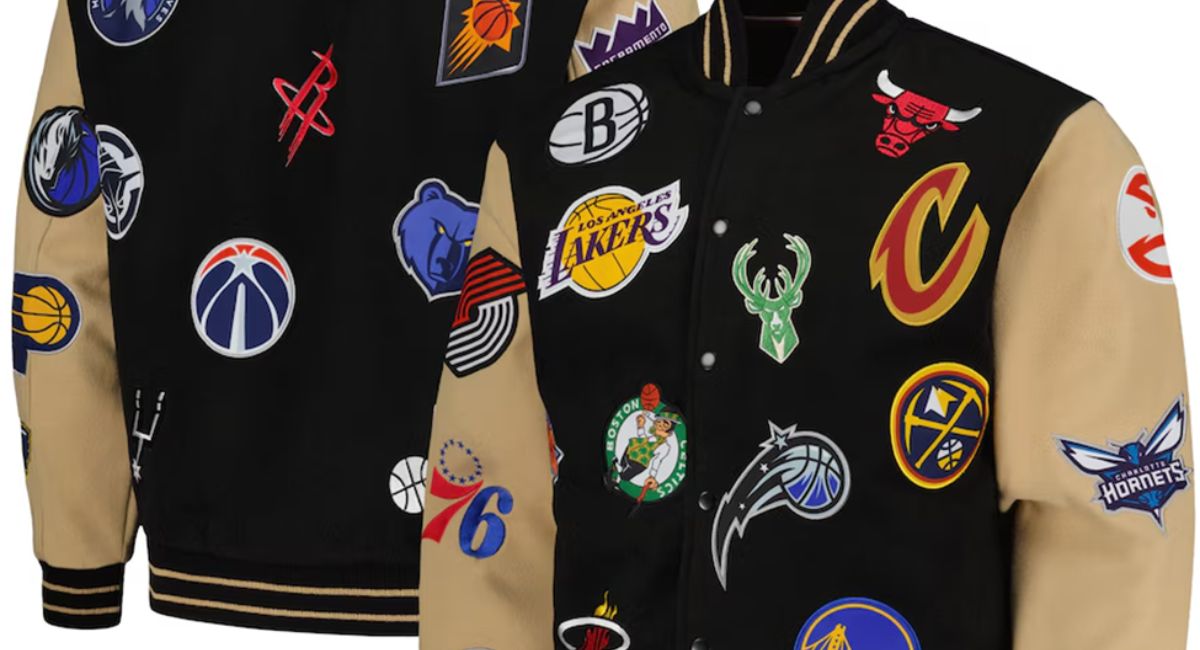
It might be one of the most recognizable articles of clothing in the world and most people who own one would not even know how to begin describing it. What does the letter mean? Why is there leather on the sleeve of a wool jacket? Are varsity jackets the same as letterman jackets? No one can explain those things — until now.
In this guide, you will learn everything there is to know about the varsity jacket, including its 160-year history, the reason behind each material choice, all possible styles, the meaning behind the patches and symbols used, and how to wear your jacket and take care of it.
The varsity jacket is a sport-heritage jacket constructed with a Melton wool base body with leather sleeves, featuring ribbed cuffs, collar, and hem, which first appeared as a student athletics award at Harvard University in 1865.
What Is a Varsity Jacket? (The Clear Definition)
The varsity jacket, which is otherwise referred to as a baseball or letterman jacket, is made of melted wool with a round neck and leather sleeves made of cowhide that provide a clear contrast. It comes with ribbed cuffs and colored stripes on the collar to indicate a team or a school. The popularity of this jacket shot up in the 1980s.
Varsity jacket vs. letterman jacket — same thing?
Absolutely – the varsity jacket and the letterman jacket are one and the same item of clothing. The existence of both terms is due to the dual identity that was developed by the jacket over time. “Letterman” refers to the tradition of awarding the student athletes with chenille letter (the initial of the school) for having achieved varsity status in their sport. The term “varsity jacket” evolved to be used in a more general sense, since the concept of earning a letter does not apply anymore outside of sports context.
Why is it called a letterman jacket?
The term “letterman jacket” originated from the “letter,” which is the chenille school letter awarded to student athletes who had attained the varsity level of playing skills. This practice originated from Harvard University in 1865 when the baseball team received wool sweaters with big letters H on their chests. These were not any form of decoration. The H was a symbol of skill, determination, and honor bestowed to those who deserved to represent the university in its highest sporting levels. After many years of practicing the award, the jacket became associated with the letter and the name followed. From my experience in studying sports heritage clothing, no other garment carries more meaning than the letterman jacket – chenille letter is not a logo but an achievement sewed onto the woolen jacket.
History of the varsity jacket — from Harvard to streetwear
1865 — The Harvard Baseball Team and the First Letter Sweater
It is often assumed that the varsity jacket originated in the early 20th century, but this is not true. It originated way back in 1865 among Harvard University’s baseball team, The Nine. The team awarded their star players woolen sweaters featuring a lone chenille “H.” According to Harvard University’s records, this was initially not an official program; the players came up with it themselves and wore the letter sweater to distinguish themselves from their competitors in Ivy League baseball games with Yale and Princeton. This simple practice of wearing a letter on one’s chest as a mark of excellence marked the beginning of a new cultural phenomenon. By the end of the nineteenth century, the letter sweater had quietly made its way into American colleges.
1930s — The Wool-and-Leather Design We Know Today
The wool sweater had done its duty for a generation, but in the 1930s the needs of the athletic teams demanded a garment that was sturdier, more form-fitting, and more weather-resistant. The solution was utilitarian, not decorative: a tightly woven Melton wool bodice, naturally wind and water-resistant, together with real leather sleeves tough enough to withstand the abrasion from sliding and the stress of the sport. Cowhide leather was chosen because it kept its shape when compressed and could stand years of use before breaking down. Ribbed cuffs and collars were added to prevent cold air from seeping into the garment while playing outdoors. The current concept of the silhouette started out as a purely utilitarian endeavor; every element of the design answered a specific need felt by athletes playing outdoors in all kinds of weather.
1950s–1980s — American High Schools and the Letterman Tradition
In the 1950s, the jacket migrated out of college and into American high schools. Its significance transcended the realm of athletics; wearing a letterman jacket made you known, recognized, and part of something. The criteria were established by high school programs, ranging from playing a certain number of games to having good grades and coach approval. The letterman jacket took on a new life as an outward symbol that said everything about your accomplishments without you saying a word.
The tradition continued to evolve throughout the 1980s as it found its way to a new audience – mainstream culture. A whole generation embraced the letterman jacket as an element of their individual style, not just one of school affiliation. By the time the decade drew to a close, the varsity jacket had evolved from a school-related piece of clothing into true fashion attire.
Pop Culture Moments That Made the Varsity Jacket Iconic
An object that survived 160 years would have gained cultural popularity sooner or later. The varsity jacket has both engineering and history on its side, yet it is a couple of events that made it known throughout the world.
Michael Jackson’s Thriller Jacket (1982)
Michael Jackson appeared in the 1982 Thriller music video, directed by John Landis, wearing a red and black varsity jacket. From that moment, the varsity jacket became a real pop culture phenomenon. It was created by Deborah Nadoolman Landis and although it wasn’t an authentic letterman jacket, its silhouette, ribbing and color combination definitely resembled a varsity jacket. This one picture made the varsity jacket known to several hundred million people all over the world and made it part of popular culture. The original jacket was auctioned in 2011 for $1.8 million.
Hip-Hop and Streetwear – Dapper Dan, Stüssy, Avirex
During the late 1980s and early 1990s, the varsity jacket took on a new meaning thanks to hip-hop and streetwear fashion. Designer Dapper Dan, known for dressing LL Cool J, Salt-N-Pepa, and Mike Tyson, transformed the varsity jacket by incorporating luxury monogram fabric. He merged athletic heritage with luxury fashion concepts, an innovation occurring some 20 years ahead of luxury streetwear trend. The entire branding of Avirex revolved around leather varsity and bomber jackets, making the company synonymous with East Coast hip-hop scene. Stüssy introduced the jacket to California skateboarders and surfers, endowing it with West Coast flair. Collectively, these three brands elevated the varsity jacket to the status of cultural garment.
The Modern Revival – Luxury Brands and K-Pop
Currently, the story of the varsity jacket is even more international than ever before. The brands of Celine, designed by Hedi Slimane, and Valentino have incorporated varsity-inspired garments into their major collections and elevated the wool-and-leather jacket to the heights of luxury fashion without second thoughts. On the other hand, K-pop stars such as BTS, Stray Kids, and BLACKPINK have introduced the varsity jacket to Asian audiences that were unaware of the American letterman jacket tradition. This way, the garment has gained a whole new popularity among people who wear it just because of how it looks rather than its sports background. This means that the varsity jacket is currently considered a luxury garment, streetwear clothing, and school attire all together.
What is a varsity jacket made of? Materials explained High
When visiting an actual workshop for making outerwear, the first thing that you will note is that the making of a strong varsity jacket requires the skills of two types of experts, one who understands wool, while the other understands leather. This is not accidental since the combination of these materials is not only aesthetic but practical as well.
Classic Build – Melton Wool Body and Cowhide Leather Sleeves
The classic varsity jacket begins wit h Melton wool. It is an extremely dense material that is milled into smoothness and stiffness. It differs from the regular wool in that it undergoes fulling which makes its threads virtually invisible. The end result is a fabric resistant to wind, light rain and shrinking for many years of use. It is heavy but not stiff and structured, yet flexible which made it the best choice for clothing for outdoor sports since 1930s.
Sleeves are made of cowhide leather which was picked due to its durability. Cowhide leather is very durable and hard to break, develops a beautiful patina and can withstand high level of stress, which is impossible with regular fabric sleeves.
The shoulder seam where leather meets wool is probably the most vulnerable part of the jacket. Poor quality jackets tend to fall apart there rather quickly, while good quality jackets could survive many decades of wear and tear.
A good varsity jacket announces itself the moment you put it on the weight sits differently than anything else in your closet.
Ribbed Cuffs, Collar, and Waistband – Why You Should Care about Ribbing
Ribbed elements of a varsity jacket are those parts that often remain unnoticed by buyers and poorly crafted by many manufacturers. For this reason, one should be aware of their role. Ribbed cuffs, collar, and waistband are made of a wool and acrylic blend material that stretches and shrinks multiple times but retains its shape. Ribbed elements were created to protect a wearer from cold weather and winds by preventing them from entering through sleeves and bottom hems. Good quality rib “remembers” its natural shape and thus remains tight over many years.
Colored stripes in ribs display school or team colors and are clearly visible from afar. To make sure that your jacket is high quality, just grab the rib of the cuff, stretch it, and release. If it returns to its original position quickly, the knitting is done right. Otherwise, your jacket will look old-fashioned in a year.This one detail is often what separates a $150 varsity jacket from one built to last a decade.
Options for Lining – Polyester Satin, Cotton, and Quilted
The lining inside a varsity jacket is not just an aesthetic choice; it shapes the jacket, prevents irritation caused by wool on the skin, and influences the warmth provided by the jacket. Polyester satin lining is used most often in factory-made jackets due to its light weight, ease of movement, and printability, which is why so many jackets have printed logos, team names, or even custom images on their linings.
Cotton lining is more breathable and lies close to the skin, making it more preferable for warmer climates or three-season jackets. Quilted lining consists of padding sandwiched between two layers of fabric and provides excellent insulation; however, it is primarily used for cold-weather jackets. When ordering a custom jacket, the lining becomes an important customization feature as it is the first thing seen upon wearing the jacket, yet it is not visible to anyone else.
Modern Alternatives – Satin, Nylon, Faux Leather, Eco-Friendly Fabrics
While the traditional wool-and-leather combination remains dominant, modern varsity jackets incorporate various materials. Some materials are designed to reduce expenses, some – to ensure sustainability, and others are chosen for aesthetic reasons. Satin varsity jackets are generally made entirely of polyester satin and have a sleek and glossy appearance. It tends to be more street than sporty, making such jackets great for photography and therefore increasingly popular among K-pop artists and music merchandise.
Water-resistant nylon shells are often used in outdoor and performance-related markets. Fake leather sleeves are far superior compared to their older versions, with modern PU and bonded leathers being quite durable and affordable. However, fake leather does not develop an authentic patina and lasts shorter compared to traditional cowhide.
Eco-friendly materials will appear in varsity jackets primarily via independent and sustainable brands. This includes recycled wool, eco-leathers such as Piñatex and apple leather, and organic cotton lining. I personally tested a few samples of plant-based leather, and while the quality gap compared to cowhide is smaller than most traditionalists would like to believe, they are not identical materials.
Types and styles of varsity jackets
Varsity Jackets – Types and Styles
The varsity jacket has gone through some changes throughout time while maintaining its shape. Each and every design that you see today is based on something that was originally worn back in 1865 at Harvard in the form of a wool sweater. Understanding the types of jackets can help you make your selection. Whether you’re after the original silhouette or a modern twist, every varsity jacket on this list traces back to that same 1865 idea.
Classic Varsity Jacket – Wool Body and Leather Sleeves
This is the real thing. Having gone through hundreds of variations over the years, there’s just no substitute for one that’s truly made right. The combination of the wool body and leather sleeves isn’t just aesthetic; it’s an outcome of decades of experience that still rings true. The body of Melton wool, leather sleeves of cowhide, along with ribbed cuffs, collar, and waistband make it complete. The chenille letter patch on the chest completes it in every way possible. When it comes to a classic varsity jacket made right out of proper material, it will last a lifetime, getting even better with age as the leather gets a patina and the wool conforms.
All-Leather Varsity Jacket
In an all-leather varsity jacket, the leather material extends to include not just the body and sleeves but also the collar and pocket trim. Thus, it makes the jacket appear quite different from the usual varsity and has more of an urban and bold look, almost like a motorcycle jacket. It does retain other features like the snap button closure and the ribbing at the bottom hem. This type of jacket became fashionable among hip-hop fashion in the late 1980s and 1990s, when brands like Avirex came up with an entire line featuring it. The disadvantage with this jacket would be its weight and lack of breathability when compared to wool-bodied jackets.
All Wool Varsity Jacket
The all-wool varsity is not as common as the regular one since it replaces leather sleeves with wool. It creates a softer jacket that is more college rather than street oriented. You will often find it in academic settings and it appears to be more similar to a sweater rather than the classic varsity. This is the exact reason why some people prefer the all-wool varsity. The jacket is lighter and more comfortable to wear due to the absence of leather sleeves. Moreover, it requires much less maintenance since there is no leather to oil.
Hooded Varsity Jacket
The hooded varsity jacket incorporates the hood element of the hoodie with the varsity jacket. This results in a fusion that is both practical and stylish, maintaining a link to its heritage while creating a very functional piece of clothing. The hood normally comes below the ribbed collar or replaces the collar, and the jacket maintains the woolen body and leather or faux leather sleeves of the traditional varsity jacket. With the inclusion of the hood element, the garment can be worn throughout the year in changing weather conditions, which are common during spring and fall seasons.It’s one of the few varsity jacket variations built more for function than for nostalgia.
Patchwork and Embroidered Varsity Jacket
The jacket will serve as a personal document in this case. By adding patchwork and embroidery to the jacket, one turns the fabric covering the chest, back, shoulders, and sleeves into a canvas. This technique involves using chenille patches, graphic embroidery, woven badges, and lettering, all of which come together to produce an image unique to the individual wearing the garment. This technique has been used for over a hundred years by school sports teams, incorporating sport patches, championships, graduating years, and captain stars as a way to record one’s entire athletic career. In today’s world, fashion designers and clothing customization experts employ this technique in order to convey the wearer’s personality through pop culture icons, artistic designs, and locations.
Bomber Varsity Jacket Hybrid
The hybrid of the bomber and varsity jackets combines two classic men’s clothing styles. It maintains the clean lines of the MA-1 bomber jacket such as the ribbed hem, zipper, and exterior pockets while incorporating features of the varsity jacket like varied materials on the sleeves, chenille patches, and colored ribbing. The jacket thus becomes a contemporary version of the varsity jacket without being overtly athletic. It has become very popular among designers looking for an American style statement that isn’t a replica, but also with individuals who find the varsity too theatrical.
Cropped and Oversized Silhouettes
Both the cropped and the oversized varsity jackets represent extremes on the fit spectrum that have seen a significant evolution in the past decade. The cropped varsity jacket fits right around or just above the waist and can be considered to be very fashionable. In its design, it adheres to the contemporary understanding of proportions in women’s clothing, but it also suits men perfectly. Its combination with high-waist pants or skirts, as well as its flattering appearance in photographs due to the shorter hem line creating a division between the torso and legs and making the latter appear more elongated, is a clear advantage of the style. The oversized varsity jacket represents the opposite extreme with its relaxed fit, dropped shoulders, longer sleeves, and hem line that touches the hips. Both silhouettes illustrate the key feature of the varsity jacket design – a silhouette that is able to tolerate extreme variations in proportion without losing its identity.
How to Style a Varsity Jacket in 2026 (Casual Look)
What makes the varsity jacket an incredibly versatile item? It’s that perfect balance between athletic, casual, and smart-casual styles. Here are some tips for styling this iconic jacket:
The Classic Collegiate Look
Wear dark-washed jeans, a plain crew-neck top or a mock-neck sweater, and white sneakers (Nike Air Force 1 and New Balance 550 work well). The jacket will take center stage.
The Streetwear Update
This time, try wide-leg cargo pants or track pants, a graphic tee, and bulky sneakers (New Balance 1906R and Asics Gel-Kayano 14 work perfectly). Also goes well with satin or all-leather jackets.
Smart-Casual Fusion
Pair slim-cut trousers, an OCBD shirt or a polo shirt, and loafers or leather sneakers. Exactly the way varsity jackets were styled on the Kenzo FW22 runway with school-uniform classics.
Tonal Jacket Outfit Idea
When choosing a varsity jacket, opt for one that has a similar color to your trousers. Monochromatic dressing will ensure that contrasting sleeves won’t distract from the outfit.
For Ladies
If you’re styling a varsity jacket, you can wear a mini skirt, boots, and the jacket itself—a combination that has been popular since 2022. You can also choose an oversized varsity jacket paired with a fitted midi dress.
What Actually Matters When You’re Buying One
It is easy to overlook many important details in all the excitement about varsity jackets. However, these details become obvious once you handle several different jackets.
Before you commit to a varsity jacket, a few checks separate a lifetime piece from a one-season buy.Weight test. Melton wool jackets have good weight to them – noticeably heavier than usual jackets. In case your potential purchase feels very lightweight, chances are you deal with polyester fabric. Heavier = warmer and durable.
Look at the sleeve seam. In quality jackets, wool body and leather sleeves are stitched with reinforced and neat seams. Cheaper jackets break at this seam since it gets constant stress whenever you move your arms.
Chechenille letters come in different qualities. In low-quality jackets, chechenille letters are embroidered by machines and will flatten in no time. Quality chechenille letters will stay raised and textured due to high density of pile and tight backing of fabric. Try to rub your hand against the letter – if it is flat, it will stay flat forever.
Size recommendation: varsity jackets are quite roomy and athletic. This jacket does not need to have fitted silhouette like most men’s blazers. Your shoulders must be comfortable and you must be able to put on a medium-sized sweater under the jacket without any issues. Do not order one size smaller to achieve desired look.
Leather sleeves in cheap jackets are made of artificial leather. Not necessarily a problem – it makes the jacket more affordable and suitable for vegetarians. However, do not expect leather sleeves to last longer than 3-5 years with regular wear. Genuine leather, when cared properly, can last longer than the jacket.
How to Take Care of a Varsity Jacket
Wool and leather require different care; therefore, maintaining your varsity jacket can be a bit complicated compared to a regular jacket.Treat your varsity jacket right and the leather will actually look better in five years than it does today.
Start by spot-cleaning any stains. In case there are some small stains, a damp cloth will work fine without having to launder the entire jacket.
For wool exterior: Wash the jacket by hand using cold water and mild soap, let it soak for 10-15 minutes before rinsing it off with cool water and air-drying. It should never go through the washer because agitating melton wool leads to irreversible shrinking and felting.
For leather sleeves: Use a soft cloth dampened with a little water and wipe the leather, always wiping along the grain. The leather should be conditioned every 6-12 months.
For the jacket in general: Dry cleaning is the safest option when you are not sure how to wash it. Inform the cleaner about its material composition.
Storage: Hang it on a wide and padded hanger but do not fold the jacket. If you plan to store it for a while, use a breathable garment bag (not plastic). Add cedar chips close to the jacket to deter moths from wool.
Myth vs. Fact: Clearing Up the Biggest Varsity Jacket Misconceptions
Myth: The “varsity jacket” and “letterman jacket” are two different things. Fact: No, they are the same jacket. While “letterman” refers to the award itself, “varsity” refers to the level of the team. So both words refer to the same jacket.
Myth: Only athletes can wear it. Fact: You have to earn a letter to qualify for the award, but the jacket can be worn by anyone regardless of athletic ability. As a fashion statement, it has been around since the 1980s and was separate from the award tradition for more than 40 years.
Myth: It is only used in America. Fact: It originated in America, but it is now used all around the globe. Especially in Japan (it became part of Sukajan culture), South Korea (it became popular in K-pop and streetwear culture) and Europe (high-end fashion houses like Dior Homme and Celine helped it become trendy).
Myth: Every varsity jacket is essentially the same. Fact: The quality varies greatly between jackets. The real thing, made of melton wool and cowhide leather, is not even comparable to the polyester satin version worth just $40. Both jackets might look similar but feel different.
Myth: Varsity jackets are only for young people/students. Fact: Princess Diana wore it, luxury fashion houses use it and people of all ages wear it. This myth is purely sentimental.
Conclusion
The varsity jacket has not been confined to a single time period. It was introduced as a sporting award in 1865. In the 1950s, it became an iconic symbol of teenage America. In the 1980s, hip-hop influenced it. By the 2010s, luxury fashion adopted it. In 2026, it will fulfill all four of those roles—school trophy, streetwear item, high fashion garment, and excellent everyday coat.
Its design hasn’t changed significantly over the years. It has consisted of a wool body, leather sleeves, ribbing, chenille letter, and snap-front closure. It remained constant through 160 years of wear and tear because its conception was nearly flawless.
If you’re looking for one, get melton wool and genuine leather instead of polyester and fake leather; you’ll notice the difference in quality after a season, and it only grows over time.
A well-made varsity jacket rewards patience — the kind of garment that gets better precisely because you didn’t rush the care. And if you’ve already bought one, take proper care of its wool and leather components and store it accordingly. With proper treatment, a varsity jacket may last much longer than any of your other garments.
Next steps: If you’re going to purchase a varsity jacket, use this essay’s information on materials and construction as your guide. If you’re interested in learning more about the jacket’s significance in streetwear history, consider researching Virgil Abloh’s work for Off-White and Louis Vuitton.
FAQ – People Also Ask
What’s the Difference Between a Varsity Jacket and a Bomber Jacket?
Both varsity and bomber jackets are short coats with the same basic design. However, they have different origins and materials. The bomber jacket (MA-1) was originally designed as flight gear and made from nylon and other light flight materials with a ribbed hem and collar. Varsity jackets were made for athletic teams using wool and leather, with a snap front closure. Despite similarities in style, they represent completely different concepts.
Where does the name “Varsity Jacket” come from? Why is it called that?
The word “varsity” is derived from the best team representing a school in the sport (abbreviation of Latin “universities”). Players who achieved the varsity level had the right to get a varsity letter. Thus, a coat with such a letter was called a varsity jacket.
Do you need to earn the right to wear a varsity jacket?
Anyone can buy and wear a varsity jacket nowadays. It is possible to say that wearing such a jacket became a fashion trend starting from the 1980s. Thus, it became possible to buy the jacket without having the right to wear a particular letter patch on it.
What are varsity jackets made of?
Traditionally, it is made from melton wool with cowhide leather sleeves, ribbed collar, cuffs, and hem, and a chenille letter patch sewn into the chest area. However, modern varsity jackets can be made from polyester satin or GORE-TEX.
What is the difference between a varsity jacket and a letterman jacket?
Every letterman jacket is a varsity jacket. However, not every varsity jacket is a letterman jacket. Letterman jackets are those with an earned “letter”. Therefore, varsity jackets include letterman jackets among others.
Is the varsity jacket still popular in 2026?
Yes, of course. They have remained popular from the time they appeared in the 1950s and experienced several peaks in popularity (the 1980s – hip hop fashion and Princess Diana; the 2010s – Virgil Abloh). Now they are popular again, and there are numerous designer versions by such brands as Dior Homme or Versace.




Great content! Keep up the good work!